How to Use a Dice Roller
A quick guide to online dice rollers: what the notation means, how to roll any dice, and fun ways to use them.
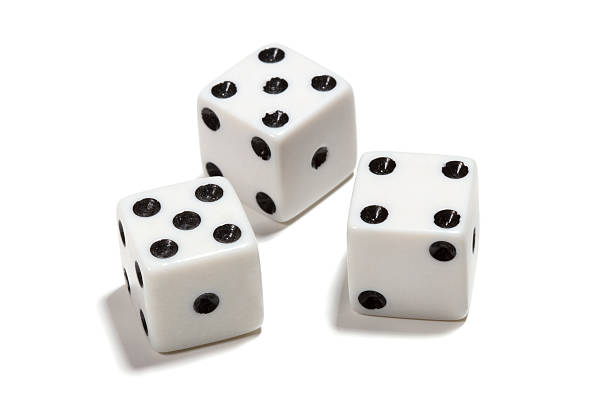
Lost your dice five minutes before game night? An online dice roller saves the day — and it can roll dice you don’t even own.
Here’s everything you need: the notation, the features, and clever ways to use a dice roller beyond board games.
Dice notation, decoded
You’ll see things like “2d6” or “1d20.” It’s simple: the first number is how many dice, the “d” stands for dice, and the last number is sides. So 2d6 means roll two six-sided dice; 1d20 means one twenty-sided die.
A plus or minus adds a modifier: “1d20+3” means roll a 20-sided die and add 3. This notation comes from tabletop role-playing games, but it’s handy anywhere.
Rolling like a pro
Pick your die type (d4, d6, d8, d10, d12, d20, or even d100), set how many dice, add modifiers if you need them, and roll. Good rollers show each individual die plus the total — and the results are random, just like physical dice.
Need a coin flip or a number between 1 and 100? A d2 works as a coin, and a d100 (or two d10s) covers big ranges. One tool, endless randomness.
Beyond board games
Dice rollers are decision machines: assign options to numbers and let fate choose dinner, the movie, or who goes first. Teachers use them for random student pickers; writers use them for plot prompts; party hosts use them for dare selection.
Try it: list six date-night ideas, number them 1–6, and roll a d6. Decision made — no debate, no “I don’t know, what do YOU want?”